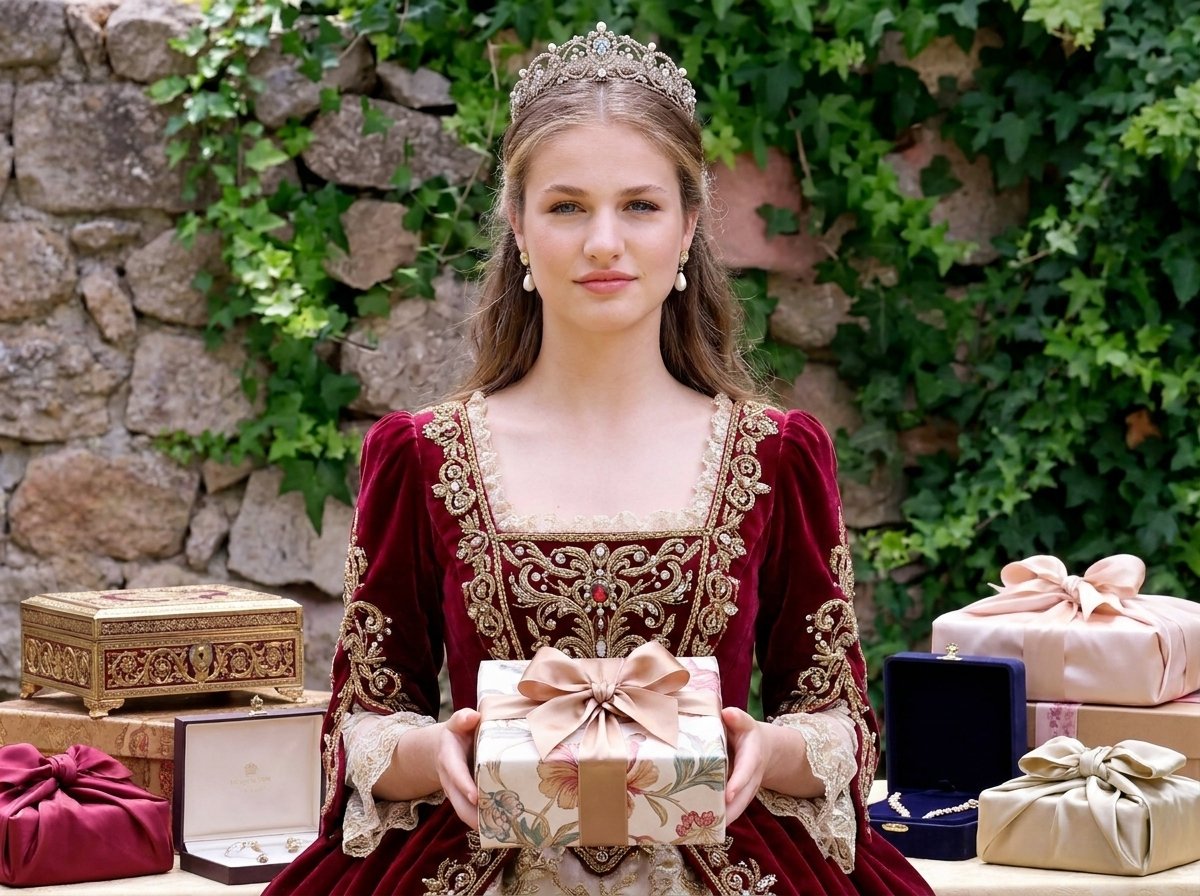
The structure of the Spanish royal family is anchored in a rich historical narrative and established traditions. At its core, the royal family comprises several key titles, with the role of princes and princesses being particularly significant. The term ‘princes of Spain’ refers to members of the Spanish royal family who rank just below the monarch and play crucial roles in both ceremonial and constitutional capacities.
The title of prince in Spain is primarily reserved for the heirs to the throne, with the title ‘Infante’ (for younger siblings of the monarch) also being a common designation. The heir apparent, currently Princess Leonor, holds the official title of Princess of Asturias, symbolizing her position as the future queen. This title not only conveys her succession rights but also places her in a representative role for the Spanish royal family in various official capacities.
Over the years, the titles within the royal family have evolved in response to shifting political landscapes and social changes in Spain. The position of prince has historically been associated with significant responsibilities, including representing the monarchy at state functions, engaging in diplomatic relations, and promoting cultural initiatives. Additionally, in modern times, the princes of Spain, including Princess Leonor, engage extensively in charitable activities, reflecting the contemporary expectations of royal duties.
The significance of these roles extends beyond mere titles. The princes and princesses of Spain serve as embodiments of national unity, tradition, and cultural identity. Their engagements and public appearances foster a connection between the monarchy and the Spanish populace, helping to maintain the relevance of the royal family in a democratic society. As the royal family continues to adapt to the modern world, the roles of the princes remain pivotal in navigating the balance between tradition and contemporary governance.
Historical Importance of the Princes of Spain
The history of Spain is richly intertwined with the roles and contributions of its princes, who have significantly shaped the nation’s political and cultural landscape. The princes of Spain, throughout various eras, have not only functioned as heirs to the throne but have also influenced state affairs and societal developments.
During the Middle Ages, Spanish princes were often involved in crucial territorial disputes that were paramount in defining the boundaries of the emerging nation-states. For instance, Prince Ferdinand of Aragon played an instrumental role in the unification of Spain alongside Queen Isabella, paving the way for the modern Spanish kingdom. Their reign marked a pivotal point in history, leading to exploration and expansion beyond European borders.
Fast forward to the 19th century, the princes of Spain began to take on more defined political roles, especially during the tumultuous times of the Spanish Civil War and subsequent monarchy restoration. The regent, Prince Juan de Borbón, sought to restore traditional monarchy principles amid an evolving political landscape. His efforts were symbolic of the ongoing struggle between tradition and modernity in Spanish governance.
In contemporary times, the significance of Spanish princes is exemplified through the figure of Prince Leonor, daughter of King Felipe VI. As a representative of a new generation of Spanish royalty, Princess Leonor embodies the evolution of the monarchy in Spain, navigating modern societal norms and expectations while maintaining the legacy of her predecessors. The rising visibility of contemporary princes in Spain has also paved the way for discussions surrounding their societal roles and duties.
Thus, the historical context of the princes of Spain reveals a spectrum of influence, showcasing how these figures have molded not only their royal lineage but the broader narrative of Spanish history, politics, and culture. Their legacies, as illustrated by notable princes from the past to the present, continue to shape Spain’s identity today.
Current Princes of Spain: Profiles and Roles
As the modern monarchy of Spain continues to evolve, the roles of the princes of Spain also adapt to contemporary societal expectations. This section provides an overview of the current princes, most notably focusing on Leonor, Princess of Asturias, who is the heir apparent to the Spanish throne.
Princess Leonor, born on October 31, 2005, is not only the first in line for succession but also serves as a symbol of modernity within the royal family. Her upbringing has been characterized by a strong emphasis on education and public service. As she approaches adulthood, her responsibilities are gradually increasing, including her attendance at official events, public engagements, and social initiatives that reflect her commitment to serving the Spanish people.
In addition to Princess Leonor, her sister Sofia also holds a title of importance within the royal framework. While still young, her role is increasingly seen as a supportive figure in public life, and both sisters are often sought after for their youthful perspective on key issues affecting Spanish society, including education and social justice. The popularity of these young royals has helped to bridge the gap between the monarchy and the public, as they engage in activities that resonate with contemporary values.
Moreover, the roles of the princes of Spain extend beyond mere ceremonial duties. They often partake in charitable activities, representing the Spanish monarchy on global stages, and promoting cultural heritage. These engagements are essential, as they not only foster a positive image of the monarchy but also contribute significantly to various social causes. The presence of the principes de España at events supports the dialogue on pressing national issues, offering their insights and endorsements.
As we observe the evolving roles of the princes Leonor and Sofia, it is clear that they are being prepared to assume greater responsibilities in the future. Their development into public figures capable of representing Spain on various fronts is essential in maintaining the relevance of the monarchy in a rapidly changing world.
FAQs about the Princes of Spain
The princes of Spain hold a significant position within the Spanish monarchy, with roles that expand beyond just ceremonial duties. Understanding these roles helps clarify their impact and relevance in modern governance and society.
What titles do the princes of Spain hold? Traditionally, the title of prince is often associated with the heir to the Spanish throne, a role currently held by Princess Leonor. The title extends to male heirs and can vary based on the lineage and specific circumstances surrounding the royal family. Each title is steeped in historical significance that reflects Spain’s rich monarchical heritage.
What are their key responsibilities? The responsibilities of the princes in Spain include representing the monarchy at official events, participating in state functions, and engaging in diplomatic relations. Princes like Leonor are gradually taking on more responsibilities as they mature, aiming to bridge the gap between the monarchy and the public. This includes attending educational institutions and partaking in social initiatives that promote cultural awareness and heritage.
How do the princes interact with the public? The princes of Spain make efforts to connect with citizens by supporting charitable causes, participating in public events, and promoting dialogues on social issues. Their visibility is essential for modernizing the monarchy and fostering a supportive relationship with the Spanish populace.
What is the historical importance of the princes of Spain? Historically, princes have played pivotal roles in shaping Spain’s governance and social landscape. Their lineage connects to various moments in Spanish history, influencing political alliances and societal norms. The continuation of these roles ensures the monarchy remains relevant in the changing dynamics of Spain’s governance.
In conclusion, understanding the positions and responsibilities of the princes in Spain, particularly Princess Leonor, offers insight into the contemporary relevance of the monarchy in Spanish society. Their evolving roles reflect both tradition and modern expectations, making them a crucial part of Spain’s cultural identity.