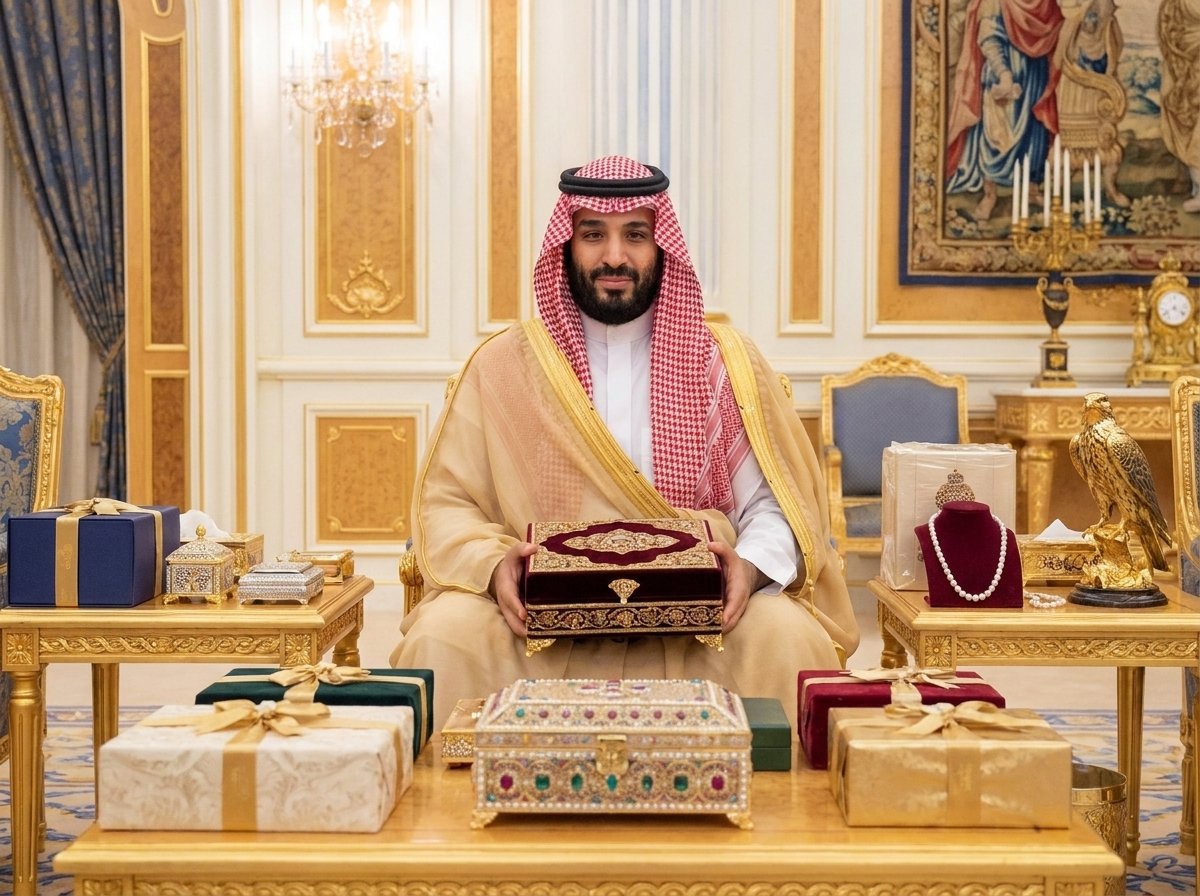
Muhammad Bin Salman, often abbreviated as MBS, is a prominent figure in contemporary geopolitics and the current Crown Prince of Saudi Arabia. Born on August 31, 1985, he is the son of King Salman and Fahda bint Falah Al-Hithalain. Growing up in a royal environment, MBS was immersed in the intricacies of governance and diplomacy from a young age, which would later shape his political aspirations and strategies.
Educated at King Saud University, he graduated with a degree in law. His educational background provided him with a solid foundation to navigate the complexities of both domestic and international politics. MBS quickly gained recognition for his innovative ideas and ambition, leading to his appointment as the Deputy Crown Prince in 2015, just two years after his father ascended to the throne. His elevation within the royal hierarchy marked a significant shift in the Saudi political landscape.
As the Saudi king’s son, MBS has been pivotal in executing significant reforms aimed at modernizing the Kingdom. His Vision 2030 initiative, aimed at diversifying the economy away from oil dependency, highlights his commitment to transforming Saudi Arabia. Under his leadership, the country has seen bold changes, including empowering women and promoting tourism. However, his approach has attracted both admiration and criticism, with some global observers highlighting human rights concerns linked to his governance.
In sum, Muhammad Bin Salman stands as a central figure in Saudi Arabia’s narrative, with a complex legacy that intertwines ambitious reform agendas with traditional monarchical practices. Understanding his background, including his family ties and strategic decisions, provides a clearer picture of his influence as the future Saudi king and a key player in global affairs.
Vision 2030: Transforming Saudi Arabia
Vision 2030, an ambitious plan introduced by the Saudi king, Muhammad Bin Salman, seeks to transform the Kingdom of Saudi Arabia into a global investment powerhouse, diversifying its economy away from its long-standing reliance on oil revenues. This initiative marks a significant shift in the economic landscape of Saudi Arabia, aiming to create a more sustainable and resilient economy.
The primary goals of Vision 2030 include fostering job creation, boosting public service sectors, and enhancing the quality of life for residents. One of the critical components is the Saudi government’s focus on developing various sectors, notably tourism and entertainment, which were previously underutilized. Among the ambitious projects under this vision is the development of NEOM, a $500 billion mega-city that aspires to be a leader in innovation and sustainability.
In terms of tourism, the plan emphasizes attracting international visitors through the development of resorts and entertainment complexes. The introduction of a new visa system has already begun to welcome tourists from around the world, underscoring the kingdom’s commitment to changing its image from one predominantly perceived through its oil wealth to a vibrant cultural entity. Additionally, initiatives like the Red Sea Project aim to create a luxury tourist destination that offers unparalleled experiences.
However, despite these ambitious goals, MBS’s initiatives under Vision 2030 also face several challenges. These include the need for a shift in societal norms and a commitment to reforms across various sectors, as well as geopolitical factors that can influence economic stability. Nevertheless, the success of Vision 2030 is pivotal for Saudi Arabia’s future, marking a significant effort by Muhammad Bin Salman to usher in a new era of economic diversification and cultural openness.
Controversies Surrounding MBS
Since ascending to power, Muhammad Bin Salman, the Saudi king, has been at the center of various controversies that have significantly impacted Saudi Arabia’s standing on the global stage. These controversies often intertwine, shedding light on the complexities of MBS’s leadership style and governance approach.
One of the most pressing issues has been the ongoing conflict in Yemen. The Saudi-led coalition has faced widespread criticism for its military tactics, which have led to severe humanitarian crises. Reports indicate that airstrikes conducted by the coalition have resulted in numerous civilian casualties and infrastructure destruction, drawing condemnation from international observers and human rights organizations. This conflict has not only raised questions about the Saudi king’s commitment to humanitarian principles but has also damaged Saudi Arabia’s global image.
Another significant controversy involves the assassination of journalist Jamal Khashoggi in 2018. Khashoggi’s murder inside the Saudi consulate in Istanbul has spurred outrage around the world, further complicating MBS’s reputation. This incident highlighted the regime’s stance on dissent and free speech, raising alarms about human rights violations in the kingdom. Despite denials of involvement, many view this act as emblematic of a larger trend of suppressing criticism and dissent against the Saudi leadership.
In addition to these events, MBS’s approach to social and economic reforms has sparked debate. While initiatives such as Vision 2030 aim to diversify the Saudi economy and modernize its society, the simultaneous crackdown on dissent poses a paradox. The glaring juxtaposition of ambitious reform plans against a backdrop of human rights abuses complicates perceptions of MBS’s legacy.
In summary, the controversies surrounding Muhammad Bin Salman illustrate significant implications for both Saudi Arabia’s global image and its leadership dynamics. Addressing these issues will be crucial for MBS in his quest to redefine Saudi Arabia’s future while managing international relations amidst ongoing scrutiny.
The Global Impact of MBS’s Policies
Under the leadership of Muhammad Bin Salman, the Saudi king, there has been a significant shift in Saudi Arabia’s approach to international relations, affecting global diplomacy and economic dynamics. His policies have been instrumental in reorienting the kingdom’s foreign policy, particularly in relation to major world powers. The relationships he has cultivated with leaders across Europe, Asia, and North America illustrate his proactive strategy to elevate Saudi Arabia’s status on the global stage.
One of the notable aspects of MBS’s international influence is his impact on global oil markets. As a pivotal member of the Organization of the Petroleum Exporting Countries (OPEC), Saudi Arabia plays a crucial role in setting oil prices. MBS’s vision for transforming the Saudi economy, encapsulated in the Vision 2030 initiative, emphasizes diversification beyond oil dependency, yet he maintains influence over oil production levels that significantly affect global economies. The decisions made under his reign during times of geopolitical tension highlight how the Saudi king’s policies can lead to fluctuations in oil prices, impacting countries reliant on oil imports.
Moreover, MBS’s actions have also reshaped Saudi Arabia’s diplomatic engagements, particularly in terms of security and counter-terrorism. His close collaboration with the United States and partnerships with regional allies have forged a new era of security cooperation. These diplomatic efforts extend to engaging with other countries in the Middle East, aiming to foster stability and counter extremist threats, which is vital for not only regional but also global security. In this way, Muhammad Bin Salman epitomizes a modern ruler whose decisions resonate far beyond the borders of Saudi Arabia, reflecting the interconnected nature of today’s globalized world.
